
At CPB Ignite 2024, attendees gathered to explore a variety of thought-provoking sessions, but one that truly resonated was Dustin Meneses’ workshop on Mastering Crucial Conversations. As the Director of Sales and CS at PaymentEvolution, Dustin offered insights into how professionals can improve their communication with clients, colleagues, and even themselves.
For those who couldn’t attend, this blog will serve as a recap of the most significant takeaways, providing you with the building blocks to win tough conversations in your own practice.
Whether you’re looking to improve client trust, manage internal team dynamics, or simply communicate more effectively in challenging situations, this session equipped participants with the knowledge to succeed. Let’s dive into the key lessons Dustin shared on mastering crucial conversations and how you can implement them in your business.
Understanding the ‘Why’ Behind Crucial Conversations
Effective communication isn’t just about the words we say—it’s about aligning our actions with our values and business goals. One of Dustin’s first key points was the importance of clarifying your ‘why’ before entering any crucial conversation. Whether you’re speaking to a client, or a peer, or reflecting on your own performance, understanding the motivation behind the discussion will shape its outcome.
Dustin emphasized that your ‘why’ should be deeply rooted in the goals of your business and your values. By staying true to these foundations, you not only ensure that your message is clear but also build trust with those you communicate with. This trust is critical for establishing long-term relationships with clients and fostering collaboration within teams.
In this session, participants explored how defining their purpose and staying authentic to their core values helps avoid misunderstandings and creates a solid foundation for effective communication. When the ‘why’ is clear, everything from managing conflict to negotiating deals becomes much smoother.
Key takeaway: Every crucial conversation begins with understanding your purpose. Aligning your communication with your core business values is the cornerstone of building trust and creating lasting professional relationships.
Navigating Awkward Conversations
Not all conversations are easy—some can feel downright awkward. In his presentation, Dustin introduced participants to a unique way of thinking about difficult client interactions, using analogies like Aloe, Lily, and Weed to describe different types of clients. Each one requires a distinct approach, and Dustin offered actionable templates and techniques to handle these conversations gracefully.
Aloe: Like the soothing qualities of aloe, these clients may seem passive but require a careful, considerate approach to open up and engage them in more meaningful conversations.
Lily: Beautiful and blooming, these clients are eager to collaborate but might wilt if faced with conflict. Handling these clients means balancing support with firmness.
Weed: These clients can be tough, often pushing boundaries or creating tension. Here, it’s about removing friction without pulling up the roots of the relationship.
Dustin provided participants with strategies to approach each type with empathy and clear communication, ensuring that even the most difficult conversations could lead to productive outcomes.
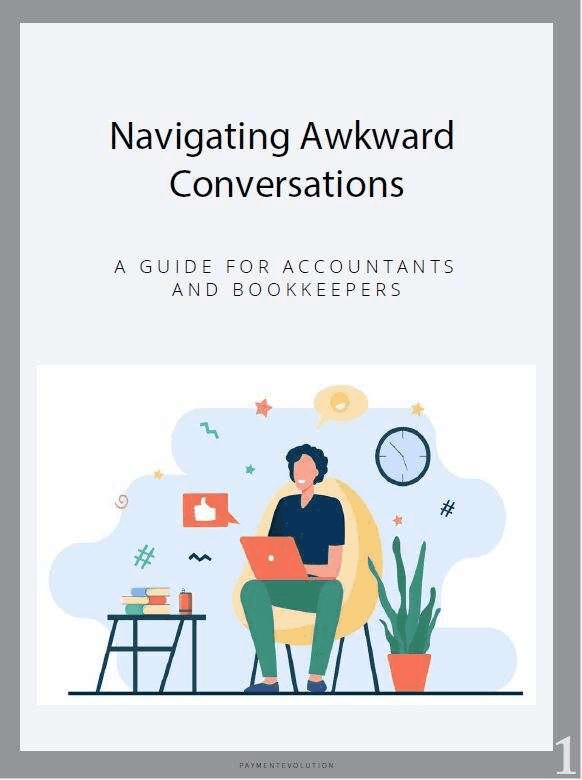
Want to read ‘Navigating Awkward Conversations?’ Download the ebook for free here.
Pro tips: Keep the conversation focused on the solution, listen actively, and use the appropriate tone and language based on the client’s personality type.
DISC: Your Communication Cheat Sheet
A highlight of the workshop was the exploration of the DISC model, a behavioural framework that categorizes communication styles into four main types: Dominance, Influence, Steadiness, and Conscientiousness.
Understanding where your clients and colleagues fall within these categories is key to tailoring your approach.
Dominance (D): These individuals are driven, decisive, and action-oriented. They want quick results and are comfortable with risk. When dealing with a ‘D’ client, you should be prepared to make swift decisions backed by clear, concise facts.
Influence (I): Expressive and collaborative, these people focus on relationships and are often optimistic. Engaging an ‘I’ client means showing enthusiasm and building rapport through energetic communication.
Steadiness (S): These are reliable, patient, and team-focused individuals who prioritize harmony. Conversations with ‘S’ types should be gentle and supportive, focusing on collaboration.
Conscientiousness (C): Analytical and detail-oriented, ‘C’ types need thorough information and don’t appreciate being rushed. When working with a ‘C’ client, provide as much data as possible and give them time to process the details.
In the session, Dustin illustrated how understanding these styles helps you predict how others will respond in crucial conversations. For instance, a ‘D’ client might push for fast decisions, but you can manage that by coming prepared with clear facts and a plan of action.
We promise you won’t get in trouble for having our handy cheat sheet found for free in the Mastering Crucial Conversations ebook.
Using DISC in real-life scenarios: When faced with an enthusiastic ‘I’ client, lead with energy and excitement. On the other hand, when working with a cautious ‘C’ team member, provide a detailed explanation to ensure they are confident in their decisions.
Core Elements of Communication Success
No matter the conversation or the DISC style you’re dealing with, Dustin emphasized the three core elements of successful communication:
Clarity: Be clear about your message. Ambiguity can lead to misunderstandings, so make sure your point is straightforward and easy to grasp.
Empathy: Put yourself in the other person’s shoes. Understand their perspective, whether it’s a client concerned about a project delay or a colleague struggling with a decision.
Active Listening: Before responding, truly listen. Let the other person finish their thoughts, and acknowledge their concerns. This not only shows respect but also gives you a better understanding of how to move forward.
Mastering these core elements ensures that your conversations are effective, even when tensions are high.
Managing Conflict with DISC Insights
Dustin shared several real-life scenarios where using DISC insights helped mediate conflicts. For example, a ‘D’ client might demand quick results, while a ‘C’ team member requires more time for thorough analysis. The key to resolving this conflict is to set clear expectations and acknowledge both the need for speed and the importance of accuracy.
Dustin walked participants through how to mediate these types of scenarios by balancing assertiveness with patience, ensuring that both parties feel their needs are being met.
Mediating conflicts: Set clear, measurable outcomes. Acknowledge the urgency of the ‘D’ client but also make space for the ‘C’ team member’s need for detail and thoroughness.
Building Confidence in Communication
Confidence in conversations is critical, especially when navigating difficult discussions with clients or team members. Dustin emphasized the importance of preparation: understanding your own DISC profile, anticipating the other person’s needs, and using this knowledge to guide your conversation.
By preparing ahead of time and having a clear understanding of both your communication style and the style of the other party, you’ll be able to approach conversations with confidence and ensure productive outcomes.
Key takeaway: Confident communicators are better equipped to handle awkward or challenging conversations, leading to stronger relationships and more successful business interactions.
Recognizing Toxic Traits and Stress Responses
Another crucial aspect of the workshop was understanding how stress can influence communication. Under pressure, people may exhibit toxic traits based on their DISC profile:
A ‘D’ may become autocratic, pushing too hard for results.
An ‘I’ might resort to attacking when their enthusiasm isn’t reciprocated.
An ‘S’ could acquiesce, avoiding conflict at the expense of progress.
A ‘C’ might focus too much on avoiding decisions, becoming paralyzed by details.
Dustin provided tools to recognize these behaviours and manage fight-or-flight responses, using mindfulness techniques and staying calm during high-stress situations. This ensures that you’re able to steer the conversation back to a productive place, even when tensions rise.
Takeaways and Next Steps
The session wrapped up with participants reflecting on their key insights from the day. Dustin encouraged everyone to think about how they could implement the DISC model and other communication strategies into their firms and personal interactions. He also provided attendees our awkward conversation eBook, and a DISC cheat sheet to help them practice and apply the techniques they learned.
Want these resources? You’re in luck – check out our resource page for Mastering Crucial Conversations here.
Next steps: As you reflect on your own conversations, consider where you can apply these insights to improve client interactions, manage team dynamics, and foster a healthier communication environment in your business.
Conclusion
Dustin Meneses’ session at CPB Ignite 2024 offered a wealth of insights for those looking to master the art of crucial conversations. From understanding your ‘why’ to leveraging DISC profiles for more effective communication, these lessons provide a solid foundation for building trust, resolving conflicts, and improving relationships in any professional setting. Whether you were at the event or catching up here, these takeaways can help you enhance your communication and ensure your conversations lead to positive outcomes.
Be sure to check out the resources provided during the session to deepen your understanding and continue growing as a communicator. Or, rewind to our 2023 CPB Ignite Recap to read more details about Dustin’s previous workshop, Navigating Awkward Conversations!
At CPB Ignite 2024, attendees gathered to explore a variety of thought-provoking sessions, but one that truly resonated was Dustin Meneses’ workshop on Mastering Crucial Conversations. As the Director of Sales and CS at PaymentEvolution, Dustin offered insights into how professionals can improve their communication with clients, colleagues, and even themselves.
For those who couldn’t attend, this blog will serve as a recap of the most significant takeaways, providing you with the building blocks to win tough conversations in your own practice.
Whether you’re looking to improve client trust, manage internal team dynamics, or simply communicate more effectively in challenging situations, this session equipped participants with the knowledge to succeed. Let’s dive into the key lessons Dustin shared on mastering crucial conversations and how you can implement them in your business.
Understanding the ‘Why’ Behind Crucial Conversations
Effective communication isn’t just about the words we say—it’s about aligning our actions with our values and business goals. One of Dustin’s first key points was the importance of clarifying your ‘why’ before entering any crucial conversation. Whether you’re speaking to a client, or a peer, or reflecting on your own performance, understanding the motivation behind the discussion will shape its outcome.
Dustin emphasized that your ‘why’ should be deeply rooted in the goals of your business and your values. By staying true to these foundations, you not only ensure that your message is clear but also build trust with those you communicate with. This trust is critical for establishing long-term relationships with clients and fostering collaboration within teams.
In this session, participants explored how defining their purpose and staying authentic to their core values helps avoid misunderstandings and creates a solid foundation for effective communication. When the ‘why’ is clear, everything from managing conflict to negotiating deals becomes much smoother.
Key takeaway: Every crucial conversation begins with understanding your purpose. Aligning your communication with your core business values is the cornerstone of building trust and creating lasting professional relationships.
Navigating Awkward Conversations
Not all conversations are easy—some can feel downright awkward. In his presentation, Dustin introduced participants to a unique way of thinking about difficult client interactions, using analogies like Aloe, Lily, and Weed to describe different types of clients. Each one requires a distinct approach, and Dustin offered actionable templates and techniques to handle these conversations gracefully.
Aloe: Like the soothing qualities of aloe, these clients may seem passive but require a careful, considerate approach to open up and engage them in more meaningful conversations.
Lily: Beautiful and blooming, these clients are eager to collaborate but might wilt if faced with conflict. Handling these clients means balancing support with firmness.
Weed: These clients can be tough, often pushing boundaries or creating tension. Here, it’s about removing friction without pulling up the roots of the relationship.
Dustin provided participants with strategies to approach each type with empathy and clear communication, ensuring that even the most difficult conversations could lead to productive outcomes.
Want to read ‘Navigating Awkward Conversations?’ Download the ebook for free here.
Pro tips: Keep the conversation focused on the solution, listen actively, and use the appropriate tone and language based on the client’s personality type.
DISC: Your Communication Cheat Sheet
A highlight of the workshop was the exploration of the DISC model, a behavioural framework that categorizes communication styles into four main types: Dominance, Influence, Steadiness, and Conscientiousness.
Understanding where your clients and colleagues fall within these categories is key to tailoring your approach.
Dominance (D): These individuals are driven, decisive, and action-oriented. They want quick results and are comfortable with risk. When dealing with a ‘D’ client, you should be prepared to make swift decisions backed by clear, concise facts.
Influence (I): Expressive and collaborative, these people focus on relationships and are often optimistic. Engaging an ‘I’ client means showing enthusiasm and building rapport through energetic communication.
Steadiness (S): These are reliable, patient, and team-focused individuals who prioritize harmony. Conversations with ‘S’ types should be gentle and supportive, focusing on collaboration.
Conscientiousness (C): Analytical and detail-oriented, ‘C’ types need thorough information and don’t appreciate being rushed. When working with a ‘C’ client, provide as much data as possible and give them time to process the details.
In the session, Dustin illustrated how understanding these styles helps you predict how others will respond in crucial conversations. For instance, a ‘D’ client might push for fast decisions, but you can manage that by coming prepared with clear facts and a plan of action.
We promise you won’t get in trouble for having our handy cheat sheet found for free in the Mastering Crucial Conversations ebook.
Using DISC in real-life scenarios: When faced with an enthusiastic ‘I’ client, lead with energy and excitement. On the other hand, when working with a cautious ‘C’ team member, provide a detailed explanation to ensure they are confident in their decisions.
Core Elements of Communication Success
No matter the conversation or the DISC style you’re dealing with, Dustin emphasized the three core elements of successful communication:
Clarity: Be clear about your message. Ambiguity can lead to misunderstandings, so make sure your point is straightforward and easy to grasp.
Empathy: Put yourself in the other person’s shoes. Understand their perspective, whether it’s a client concerned about a project delay or a colleague struggling with a decision.
Active Listening: Before responding, truly listen. Let the other person finish their thoughts, and acknowledge their concerns. This not only shows respect but also gives you a better understanding of how to move forward.
Mastering these core elements ensures that your conversations are effective, even when tensions are high.
Managing Conflict with DISC Insights
Dustin shared several real-life scenarios where using DISC insights helped mediate conflicts. For example, a ‘D’ client might demand quick results, while a ‘C’ team member requires more time for thorough analysis. The key to resolving this conflict is to set clear expectations and acknowledge both the need for speed and the importance of accuracy.
Dustin walked participants through how to mediate these types of scenarios by balancing assertiveness with patience, ensuring that both parties feel their needs are being met.
Mediating conflicts: Set clear, measurable outcomes. Acknowledge the urgency of the ‘D’ client but also make space for the ‘C’ team member’s need for detail and thoroughness.
Building Confidence in Communication
Confidence in conversations is critical, especially when navigating difficult discussions with clients or team members. Dustin emphasized the importance of preparation: understanding your own DISC profile, anticipating the other person’s needs, and using this knowledge to guide your conversation.
By preparing ahead of time and having a clear understanding of both your communication style and the style of the other party, you’ll be able to approach conversations with confidence and ensure productive outcomes.
Key takeaway: Confident communicators are better equipped to handle awkward or challenging conversations, leading to stronger relationships and more successful business interactions.
Recognizing Toxic Traits and Stress Responses
Another crucial aspect of the workshop was understanding how stress can influence communication. Under pressure, people may exhibit toxic traits based on their DISC profile:
A ‘D’ may become autocratic, pushing too hard for results.
An ‘I’ might resort to attacking when their enthusiasm isn’t reciprocated.
An ‘S’ could acquiesce, avoiding conflict at the expense of progress.
A ‘C’ might focus too much on avoiding decisions, becoming paralyzed by details.
Dustin provided tools to recognize these behaviours and manage fight-or-flight responses, using mindfulness techniques and staying calm during high-stress situations. This ensures that you’re able to steer the conversation back to a productive place, even when tensions rise.
Takeaways and Next Steps
The session wrapped up with participants reflecting on their key insights from the day. Dustin encouraged everyone to think about how they could implement the DISC model and other communication strategies into their firms and personal interactions. He also provided attendees our awkward conversation eBook, and a DISC cheat sheet to help them practice and apply the techniques they learned.
Want these resources? You’re in luck – check out our resource page for Mastering Crucial Conversations here.
Next steps: As you reflect on your own conversations, consider where you can apply these insights to improve client interactions, manage team dynamics, and foster a healthier communication environment in your business.
Conclusion
Dustin Meneses’ session at CPB Ignite 2024 offered a wealth of insights for those looking to master the art of crucial conversations. From understanding your ‘why’ to leveraging DISC profiles for more effective communication, these lessons provide a solid foundation for building trust, resolving conflicts, and improving relationships in any professional setting. Whether you were at the event or catching up here, these takeaways can help you enhance your communication and ensure your conversations lead to positive outcomes.
Be sure to check out the resources provided during the session to deepen your understanding and continue growing as a communicator. Or, rewind to our 2023 CPB Ignite Recap to read more details about Dustin’s previous workshop, Navigating Awkward Conversations!
Get a 15-day free trial today,
no credit card required.
See why 20,000+ businesses trust PayEvo to handle their payroll, benefits management, and HR solutions every day.

No spam. Opt-out or cancel anytime.
Get a 15-day free trial today,
no credit card required.
See why 20,000+ businesses trust PayEvo to handle their payroll, benefits management, and HR solutions every day.
No spam. Opt-out or cancel anytime.