How to Get a Void Cheque: Your #1 Complete Guide


How to Get a Void Cheque


With the rapid digitization of banking services, many of us view cheques as quaint artifacts. However, one iteration of the cheque remains relevant - the void cheque. Whether you're setting up direct deposits with a new employer or automating monthly bill payments, knowing how to get a void cheque is still a crucial financial skill.


  • How to Get a Void Cheque

  • What is a Void Cheque?

  • Step-by-Step: How to Void a Cheque

  • Primary Purposes of a Void Cheque

  • To Whom Should You Entrust a Void Cheque?

  • No Chequebook? Alternatives to the Physical Void Cheque

  • Signatures on Void Cheques: Necessary or Not?

  • Uses of a Void Cheque

  • How to Safeguard Your Void Cheque

  • Alternatives to Void Cheques

  • Mistakes to Avoid When Handling a Void Cheque

  • In Conclusion: The Modern Use of Void Cheques

  • Frequently Asked Questions (FAQs)


What is a Void Cheque?


Step-by-Step: How to Void a Cheque


  1. Select a Cheque: Grab an unused cheque from your chequebook.


  2. Write “VOID”: With a pen or permanent marker, write “VOID” across the front of the cheque. Ensure it's large enough to be obvious but doesn't obscure the key banking details.


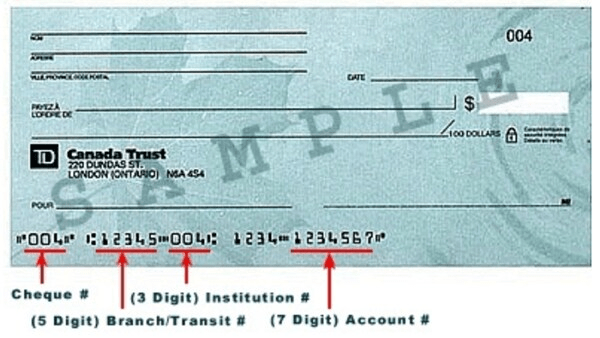
  3. Check Legibility: The numbers at the bottom - transit number (five digits), institution number (three digits), and your account number - must remain visible.


Primary Purposes of a Void Cheque


To Whom Should You Entrust a Void Cheque?


A void cheque, while inactive, still holds your banking details. Hence, it's paramount to be selective. Primarily, void cheques should be shared with:


No Chequebook? Alternatives to the Physical Void Cheque


Physical cheques are dwindling, but the need for banking details persists. If you're among many without a chequebook, here's what you can do:


Signatures on Void Cheques: Necessary or Not?


The answer is simple: No. Since a void cheque isn't processed, there's no need to sign it. In fact, keeping it unsigned adds a layer of security.


Uses of a Void Cheque


In today's rapidly digitizing world, it's easy to dismiss the relevance of a physical cheque. However, the void cheque remains an indispensable tool in various financial transactions. Understanding its multiple applications can offer clarity about its continued importance.


  1. Setting Up Direct Deposits: A common use of a void cheque is during the initial setup process with a new employer. By providing a void cheque, you allow the payroll department to access the necessary details to facilitate the seamless direct deposit of your salary into your bank account.


  2. Automatic Payments and Billings: Whether it's your gym membership, utilities, or mortgage payment, many businesses offer the convenience of automatic withdrawals. Handing over a void cheque ensures they have the correct banking details to facilitate these regular transactions.


  3. Security and Mistake Rectification: Mistakes happen, especially when writing cheques. If you've filled out a cheque incorrectly, rather than discarding it as is, you can void it to prevent misuse. This ensures that even if someone did get their hands on it, they couldn't cash it or misuse the details.


  4. Tenant Security Deposits: Landlords sometimes require a series of post-dated cheques from tenants. If the tenant doesn’t have a chequebook handy, a void cheque can provide the landlord with the necessary banking information to set up a monthly electronic funds transfer.


  5. Setting Up Online Platforms: Many online platforms, especially those that manage large sums of money like investment platforms or crowdfunding sites, require bank verification. A void cheque can be used to confirm the authenticity and ownership of the bank account.


How to Safeguard Your Void Cheque


While void cheques are immensely useful, they do carry certain security implications. Here's how you can ensure the safety of your financial data:


  1. Limit Accessibility: Only provide a void cheque when absolutely necessary. Always question and understand why it's required.


  2. Use Permanent Ink: When voiding a cheque, always use a pen, ensuring that the "VOID" inscription cannot be erased or tampered with.


  3. Monitor Your Account: After providing your void cheque, keep a close watch on your bank account for any unusual activities.


  4. Store Safely: If you have multiple void cheques, store them in a secure place, just as you would with other sensitive documents.


Alternatives to Void Cheques


The world of digital finance continually offers alternatives to traditional banking tools. When it comes to replicating the functionality of a void cheque:


  1. Online Banking Portals: Many banks now offer the option to download a digital void cheque or equivalent banking details directly from their websites.


  2. Direct Deposit Forms: These forms, provided by your financial institution, can replace void cheques in most scenarios. They carry all the requisite information for setting up deposits or automatic payments.


  3. Mobile Banking Apps: Some modern banking apps have a feature that allows users to share their banking details securely, eliminating the need for a physical void cheque.


Mistakes to Avoid When Handling a Void Cheque


While void cheques are straightforward, there's room for error. Here are some pitfalls to watch out for:


  1. Not Using Clear, Bold Letters: When marking a cheque as void, ensure it's legible and evident. This prevents any potential misuse.


  2. Discarding Without Voiding: If you mess up while writing a cheque, always void it before disposing of it.


  3. Overexposure: Limit how frequently and to whom you give out void cheques. The more people have access to your banking details, the higher the risk.


In Conclusion: The Modern Use of Void Cheques


Even in our predominantly digital era, knowing how to get a void cheque remains vital. While you might not require a physical chequebook, understanding your banking details, and when to use them, is essential for efficient financial management.


Frequently Asked Questions (FAQs)


How to Get a Void Cheque


With the rapid digitization of banking services, many of us view cheques as quaint artifacts. However, one iteration of the cheque remains relevant - the void cheque. Whether you're setting up direct deposits with a new employer or automating monthly bill payments, knowing how to get a void cheque is still a crucial financial skill.


  • How to Get a Void Cheque

  • What is a Void Cheque?

  • Step-by-Step: How to Void a Cheque

  • Primary Purposes of a Void Cheque

  • To Whom Should You Entrust a Void Cheque?

  • No Chequebook? Alternatives to the Physical Void Cheque

  • Signatures on Void Cheques: Necessary or Not?

  • Uses of a Void Cheque

  • How to Safeguard Your Void Cheque

  • Alternatives to Void Cheques

  • Mistakes to Avoid When Handling a Void Cheque

  • In Conclusion: The Modern Use of Void Cheques

  • Frequently Asked Questions (FAQs)


What is a Void Cheque?


Step-by-Step: How to Void a Cheque


  1. Select a Cheque: Grab an unused cheque from your chequebook.


  2. Write “VOID”: With a pen or permanent marker, write “VOID” across the front of the cheque. Ensure it's large enough to be obvious but doesn't obscure the key banking details.


  3. Check Legibility: The numbers at the bottom - transit number (five digits), institution number (three digits), and your account number - must remain visible.


Primary Purposes of a Void Cheque


To Whom Should You Entrust a Void Cheque?


A void cheque, while inactive, still holds your banking details. Hence, it's paramount to be selective. Primarily, void cheques should be shared with:


No Chequebook? Alternatives to the Physical Void Cheque


Physical cheques are dwindling, but the need for banking details persists. If you're among many without a chequebook, here's what you can do:


Signatures on Void Cheques: Necessary or Not?


The answer is simple: No. Since a void cheque isn't processed, there's no need to sign it. In fact, keeping it unsigned adds a layer of security.


Uses of a Void Cheque


In today's rapidly digitizing world, it's easy to dismiss the relevance of a physical cheque. However, the void cheque remains an indispensable tool in various financial transactions. Understanding its multiple applications can offer clarity about its continued importance.


  1. Setting Up Direct Deposits: A common use of a void cheque is during the initial setup process with a new employer. By providing a void cheque, you allow the payroll department to access the necessary details to facilitate the seamless direct deposit of your salary into your bank account.


  2. Automatic Payments and Billings: Whether it's your gym membership, utilities, or mortgage payment, many businesses offer the convenience of automatic withdrawals. Handing over a void cheque ensures they have the correct banking details to facilitate these regular transactions.


  3. Security and Mistake Rectification: Mistakes happen, especially when writing cheques. If you've filled out a cheque incorrectly, rather than discarding it as is, you can void it to prevent misuse. This ensures that even if someone did get their hands on it, they couldn't cash it or misuse the details.


  4. Tenant Security Deposits: Landlords sometimes require a series of post-dated cheques from tenants. If the tenant doesn’t have a chequebook handy, a void cheque can provide the landlord with the necessary banking information to set up a monthly electronic funds transfer.


  5. Setting Up Online Platforms: Many online platforms, especially those that manage large sums of money like investment platforms or crowdfunding sites, require bank verification. A void cheque can be used to confirm the authenticity and ownership of the bank account.


How to Safeguard Your Void Cheque


While void cheques are immensely useful, they do carry certain security implications. Here's how you can ensure the safety of your financial data:


  1. Limit Accessibility: Only provide a void cheque when absolutely necessary. Always question and understand why it's required.


  2. Use Permanent Ink: When voiding a cheque, always use a pen, ensuring that the "VOID" inscription cannot be erased or tampered with.


  3. Monitor Your Account: After providing your void cheque, keep a close watch on your bank account for any unusual activities.


  4. Store Safely: If you have multiple void cheques, store them in a secure place, just as you would with other sensitive documents.


Alternatives to Void Cheques


The world of digital finance continually offers alternatives to traditional banking tools. When it comes to replicating the functionality of a void cheque:


  1. Online Banking Portals: Many banks now offer the option to download a digital void cheque or equivalent banking details directly from their websites.


  2. Direct Deposit Forms: These forms, provided by your financial institution, can replace void cheques in most scenarios. They carry all the requisite information for setting up deposits or automatic payments.


  3. Mobile Banking Apps: Some modern banking apps have a feature that allows users to share their banking details securely, eliminating the need for a physical void cheque.


Mistakes to Avoid When Handling a Void Cheque


While void cheques are straightforward, there's room for error. Here are some pitfalls to watch out for:


  1. Not Using Clear, Bold Letters: When marking a cheque as void, ensure it's legible and evident. This prevents any potential misuse.


  2. Discarding Without Voiding: If you mess up while writing a cheque, always void it before disposing of it.


  3. Overexposure: Limit how frequently and to whom you give out void cheques. The more people have access to your banking details, the higher the risk.


In Conclusion: The Modern Use of Void Cheques


Even in our predominantly digital era, knowing how to get a void cheque remains vital. While you might not require a physical chequebook, understanding your banking details, and when to use them, is essential for efficient financial management.


Frequently Asked Questions (FAQs)


Get a 15-day free trial today,
no credit card required.

See why 20,000+ businesses trust PayEvo to handle their payroll, benefits management, and HR solutions every day.

No spam. Opt-out or cancel anytime.

Get a 15-day free trial today,
no credit card required.

See why 20,000+ businesses trust PayEvo to handle their payroll, benefits management, and HR solutions every day.

No spam. Opt-out or cancel anytime.

A professional illustrated headshot of Sam

Written by

Written by

Published on

Published on

Continue reading our recent payroll, HR and benefit-related insights + resources.