Is your small business at the tipping point where an extra set of hands could make all the difference? Hiring your first employee is a significant milestone, signalling growth and opportunity. However, this step comes with new responsibilities and considerations.
This guide will walk you through the crucial aspects you need to address before extending that first job offer.
1. Register a Payroll Program Account with the CRA
Key Points:
How to Register:
2. Understand the Laws of Hiring Your First Employee
What to Know:
3. Strategize Your First Hire
Considerations:
4. Pre-Employment Preparations
Required Paperwork:
5. Financial Planning For Hiring Your First Employee
Key Financial Components:
Budgeting Tips:
6. Creating an Onboarding Process
Steps to Create an Effective Onboarding:
What's Next?
1. Register a Payroll Program Account with the CRA
Before you embark on the hiring process, it's imperative to establish a payroll program account with the Canada Revenue Agency (CRA).
Key Points:
The account is linked to your existing business number.
You are responsible for withholding and remitting specific payroll deductions & remittances, such as the Canadian Pension Plan (CPP), Employment Insurance (EI), and federal, provincial, or territorial taxes.
The account must be set up before the first remittance due date, which falls on the 15th day of the month following the month in which deductions begin.
How to Register:
Follow our CRA Payroll Program Account guide to set up your payroll account for your first pay run, otherwise:
Online: The most efficient method is through the CRA's online portal.
Mail or Fax: Alternatively, you can submit form RC1 to your nearest tax service office.
Phone: For those who prefer a more traditional approach, the CRA can be reached at 1-800-959-5525.
Note: If your business is based in Quebec, you'll need to consult the Revenu Québec website for additional guidelines.
2. Understand the Laws of Hiring Your First Employee
Being an employer means you're not just responsible for your business, but also for your employee's working conditions. Therefore, a comprehensive understanding of labour laws is essential. Check out our posts for specific rules, like how to handle holiday pay in Ontario.
What to Know:
Federal Labour Standards: These provide the baseline for employment conditions.
Provincial/Territorial Laws: Additional guidelines may apply based on your location.
Insight: Depending on your industry, you may be subject to more stringent federal regulations.
3. Strategize Your First Hire
Transitioning from a business owner to an employer requires strategic planning, particularly when defining your first employee's role.
Considerations:
Job Description: Clearly outline the responsibilities and required skills.
Long-Term Needs: Assess whether you need a full-time employee or temporary assistance.
Expert Tip: A well-defined role will streamline the recruitment process and set clear expectations for prospective candidates.
4. Pre-Employment Preparations
Several administrative tasks must be completed before your new hire's first day.
Required Paperwork:
Employment Agreement: A written agreement is strongly recommended to clearly define job duties, responsibilities, and benefits.
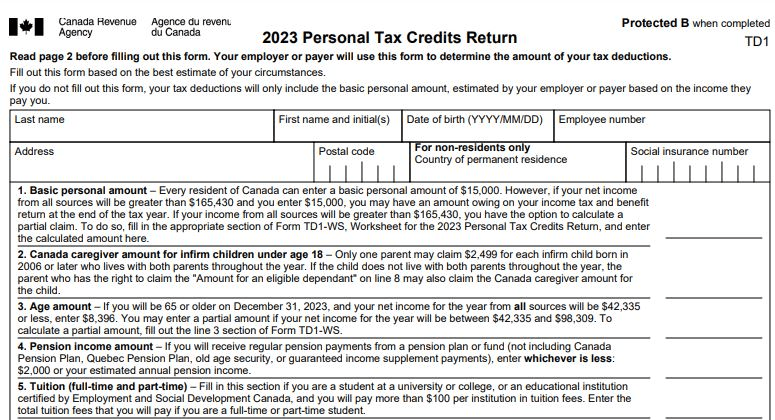
Tax Forms: In Canada, this involves the TD1 form. For Quebec-based hires, the provincial TP1015.3-V form is also required.
5. Financial Planning For Hiring Your First Employee
Key Financial Components:
Budgeting Tips:
Forecast Revenue: Make sure your projected revenue can sustain a new employee.
Cash Flow Analysis: Ensure you have enough liquidity to cover the initial costs of hiring.
6. Creating an Onboarding Process
Steps to Create an Effective Onboarding:
Welcome and Orientation: Make the new employee feel welcome and give them a workplace tour.
Documentation: Ensure all necessary paperwork is completed during the first day.
Role Clarification: Clearly explain job expectations, responsibilities, and short-term objectives.
Training: Provide comprehensive training on the tools and software they will be using.
Pro Tip: Our upcoming Workflow tool is going to work perfectly for your onboarding process, helping to automate repeated processes without code--and integrating directly with your payroll.
What's Next?
Hiring your first employee is a significant step that can propel your business to new heights. However, being well-prepared and informed is crucial to make this transition as smooth as possible. By following this guide, you'll be well on your way to expanding your team and scaling your business successfully.
Ready to get started? Hop into payroll from PaymentEvolution to start your first payroll in five minutes or less.
Is your small business at the tipping point where an extra set of hands could make all the difference? Hiring your first employee is a significant milestone, signalling growth and opportunity. However, this step comes with new responsibilities and considerations.
This guide will walk you through the crucial aspects you need to address before extending that first job offer.
1. Register a Payroll Program Account with the CRA
Key Points:
How to Register:
2. Understand the Laws of Hiring Your First Employee
What to Know:
3. Strategize Your First Hire
Considerations:
4. Pre-Employment Preparations
Required Paperwork:
5. Financial Planning For Hiring Your First Employee
Key Financial Components:
Budgeting Tips:
6. Creating an Onboarding Process
Steps to Create an Effective Onboarding:
What's Next?
1. Register a Payroll Program Account with the CRA
Before you embark on the hiring process, it's imperative to establish a payroll program account with the Canada Revenue Agency (CRA).
Key Points:
The account is linked to your existing business number.
You are responsible for withholding and remitting specific payroll deductions & remittances, such as the Canadian Pension Plan (CPP), Employment Insurance (EI), and federal, provincial, or territorial taxes.
The account must be set up before the first remittance due date, which falls on the 15th day of the month following the month in which deductions begin.
How to Register:
Follow our CRA Payroll Program Account guide to set up your payroll account for your first pay run, otherwise:
Online: The most efficient method is through the CRA's online portal.
Mail or Fax: Alternatively, you can submit form RC1 to your nearest tax service office.
Phone: For those who prefer a more traditional approach, the CRA can be reached at 1-800-959-5525.
Note: If your business is based in Quebec, you'll need to consult the Revenu Québec website for additional guidelines.
2. Understand the Laws of Hiring Your First Employee
Being an employer means you're not just responsible for your business, but also for your employee's working conditions. Therefore, a comprehensive understanding of labour laws is essential. Check out our posts for specific rules, like how to handle holiday pay in Ontario.
What to Know:
Federal Labour Standards: These provide the baseline for employment conditions.
Provincial/Territorial Laws: Additional guidelines may apply based on your location.
Insight: Depending on your industry, you may be subject to more stringent federal regulations.
3. Strategize Your First Hire
Transitioning from a business owner to an employer requires strategic planning, particularly when defining your first employee's role.
Considerations:
Job Description: Clearly outline the responsibilities and required skills.
Long-Term Needs: Assess whether you need a full-time employee or temporary assistance.
Expert Tip: A well-defined role will streamline the recruitment process and set clear expectations for prospective candidates.
4. Pre-Employment Preparations
Several administrative tasks must be completed before your new hire's first day.
Required Paperwork:
Employment Agreement: A written agreement is strongly recommended to clearly define job duties, responsibilities, and benefits.
Tax Forms: In Canada, this involves the TD1 form. For Quebec-based hires, the provincial TP1015.3-V form is also required.
5. Financial Planning For Hiring Your First Employee
Key Financial Components:
Budgeting Tips:
Forecast Revenue: Make sure your projected revenue can sustain a new employee.
Cash Flow Analysis: Ensure you have enough liquidity to cover the initial costs of hiring.
6. Creating an Onboarding Process
Steps to Create an Effective Onboarding:
Welcome and Orientation: Make the new employee feel welcome and give them a workplace tour.
Documentation: Ensure all necessary paperwork is completed during the first day.
Role Clarification: Clearly explain job expectations, responsibilities, and short-term objectives.
Training: Provide comprehensive training on the tools and software they will be using.
Pro Tip: Our upcoming Workflow tool is going to work perfectly for your onboarding process, helping to automate repeated processes without code--and integrating directly with your payroll.
What's Next?
Hiring your first employee is a significant step that can propel your business to new heights. However, being well-prepared and informed is crucial to make this transition as smooth as possible. By following this guide, you'll be well on your way to expanding your team and scaling your business successfully.
Ready to get started? Hop into payroll from PaymentEvolution to start your first payroll in five minutes or less.
Get a 15-day free trial today,
no credit card required.
See why 20,000+ businesses trust PayEvo to handle their payroll, benefits management, and HR solutions every day.

No spam. Opt-out or cancel anytime.
Get a 15-day free trial today,
no credit card required.
See why 20,000+ businesses trust PayEvo to handle their payroll, benefits management, and HR solutions every day.
No spam. Opt-out or cancel anytime.